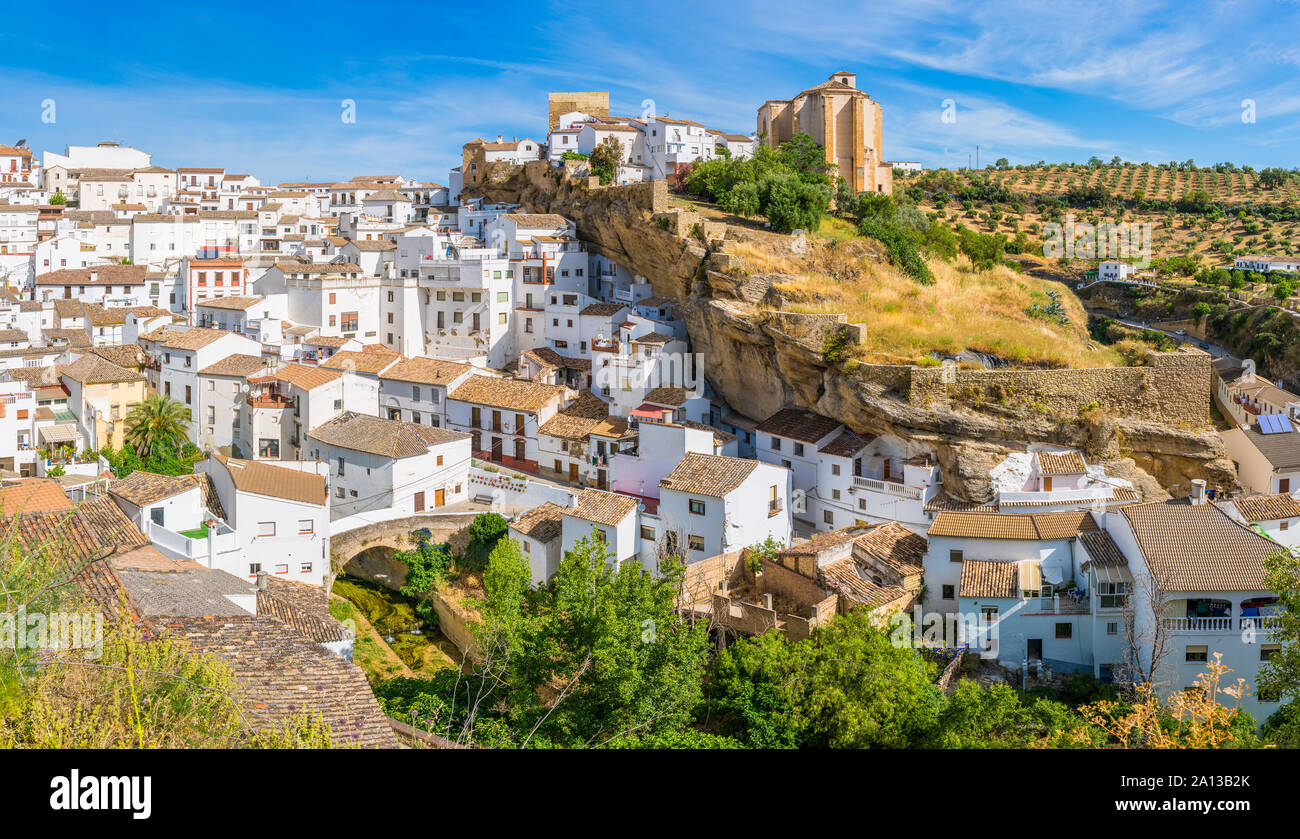
Setenil de las Bodegas
20 min drive
This village is known for houses built directly into the overhanging rock formations of a river gorge, offering a distinct geological contrast to Ronda.

Ronda sits roughly 130 kilometres southeast of Seville, high above the Tajo gorge, and no single route serves every traveller equally. Bus, rail, rental car and organised tour each carry a different cost, a different arrival hour and a different amount of walking at the far end. This how to get to ronda from seville guide sets out what each option actually delivers before you commit.
Quick answer
Most travellers reach Ronda from Seville in roughly two to two and a half hours, whichever method they choose. Direct coaches and the road route via the A-374 are the fastest; rail usually requires a change. Aim for the 10:00–12:00 arrival window, since the town's main monuments run 10:00–18:00 Monday to Saturday and close at 15:00 on Sunday.
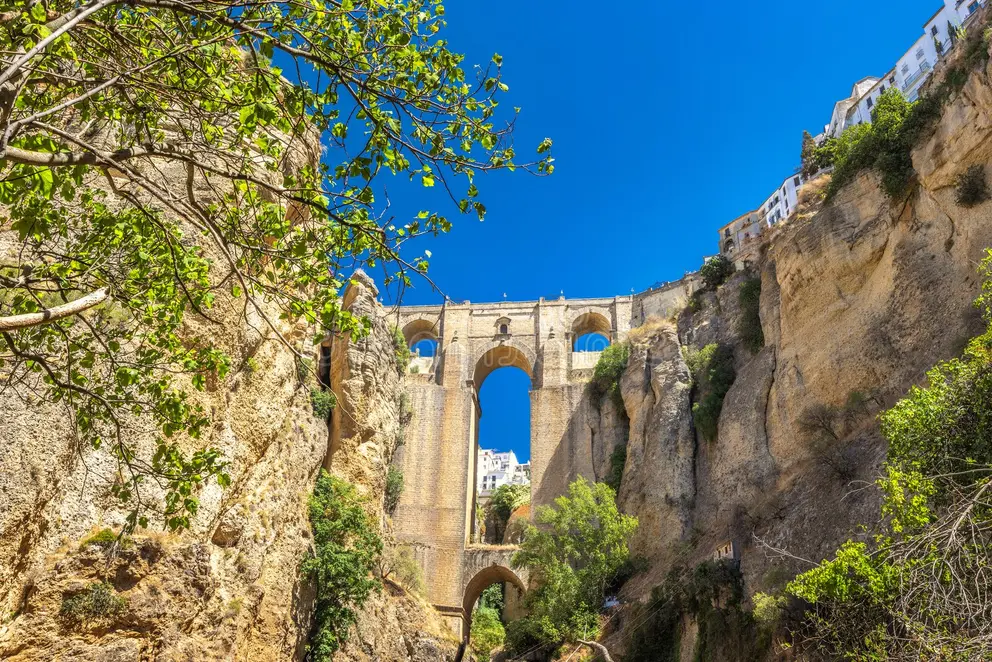
Ronda is not one town but two, split by a gorge more than a hundred metres deep and stitched together by the Puente Nuevo, a bridge that took forty-two years to finish. That geography explains almost everything about arriving here. The old Moorish quarter, La Ciudad, sits on the far side of the chasm from the modern Mercadillo district where coaches and trains deposit their passengers. Knowing how to get to ronda from seville is only half the problem; the other half is knowing which side of the Tajo you land on, and how long the walk across takes with the sun overhead. The practical distinction between the four routes is less about speed than about rhythm. A coach or a train sets your day to someone else's timetable, with a fixed departure back to Seville that quietly caps how long you spend at the Plaza de Toros, the Arab baths or the Mirador de Aldehuela. A rental car removes that ceiling but adds the problem of parking, since the historic streets around Paseo Blas Infante are narrow, largely pedestrianised and unforgiving in high summer. An organised white villages and Ronda tour from Seville trades flexibility for coverage, usually folding in Zahara de la Sierra, Grazalema or Setenil de las Bodegas — pueblos blancos that are difficult to reach on public transport at all. Spanish signage will point you toward *cómo llegar a Ronda desde Sevilla* along the A-374 through Villamartín and Algodonales, a road that climbs steadily through the Sierra de Grazalema natural park. What to do with that information depends on your appetite for logistics. Independent travellers who want the Casa del Rey Moro and the Alameda del Tajo at their own pace are usually better served by a self-driven or coach approach, with a municipal tourist ticket covering the principal monuments. Those visiting Andalusia for a few days, without a car and without the patience for connections, tend to find the guided route the more efficient answer to how to get to ronda from seville. Either way, the monuments shut in the late afternoon and considerably earlier on Sundays, so the return leg should be planned before the outbound one. Book the return, then work backwards.
“Knowing how to reach Ronda is only half the problem; the other half is knowing which side of the Tajo you land on.”
Ronda is situated in the province of Málaga, approximately 130 kilometers from Seville. Travelers can reach the town via bus, train, or private vehicle.
Damas bus from Estación de Autobuses Prado de San Sebastián to Ronda
Renfe Media Distancia from Sevilla-Santa Justa to Ronda
A-375 and A-374 routes via Utrera and Algodonales
The best arrival window is 10:00–12:00 to avoid mid-day crowds and ensure time to visit monuments before afternoon closures.
The best arrival window is 10:00–12:00 to avoid mid-day crowds and ensure sufficient time to visit monuments before afternoon closures. Planning your visit around these hours maximizes your exposure to site accessibility.
Mild temperatures 15°C–25°C
Ideal for walking and outdoor exploration of the white villages.
Hot, often exceeding 35°C
Early arrival is essential to manage heat and peak visitor numbers.
Pleasant, 18°C–28°C
Stable conditions make this a favorable time for travel from Seville.
—
Arriving mid-week helps avoid the surge of weekend day-trippers.
Verdict: The best time to visit is Tuesday to Thursday, arriving between 10:00 and 12:00 during April or October.
Access to Ronda’s primary cultural sites is managed through a municipal tourist ticket. Costs depend on whether you select a comprehensive pass or individual site entry.
Verdict: A typical adult visitor pays 12 EUR for the municipal ticket, though costs vary if choosing to visit individual sites separately.
The main monuments in Ronda maintain consistent daily hours throughout the week with a shorter schedule on Sundays.
Work through these preparations in order, starting a few weeks out and finishing the morning you leave Seville.
Extending your visit beyond Ronda allows you to experience the broader Ruta de los Pueblos Blancos. These nearby villages complement your trip by offering a slower pace and authentic architectural contrast to Ronda's urban landscape.
20 min drive
This village is known for houses built directly into the overhanging rock formations of a river gorge, offering a distinct geological contrast to Ronda.
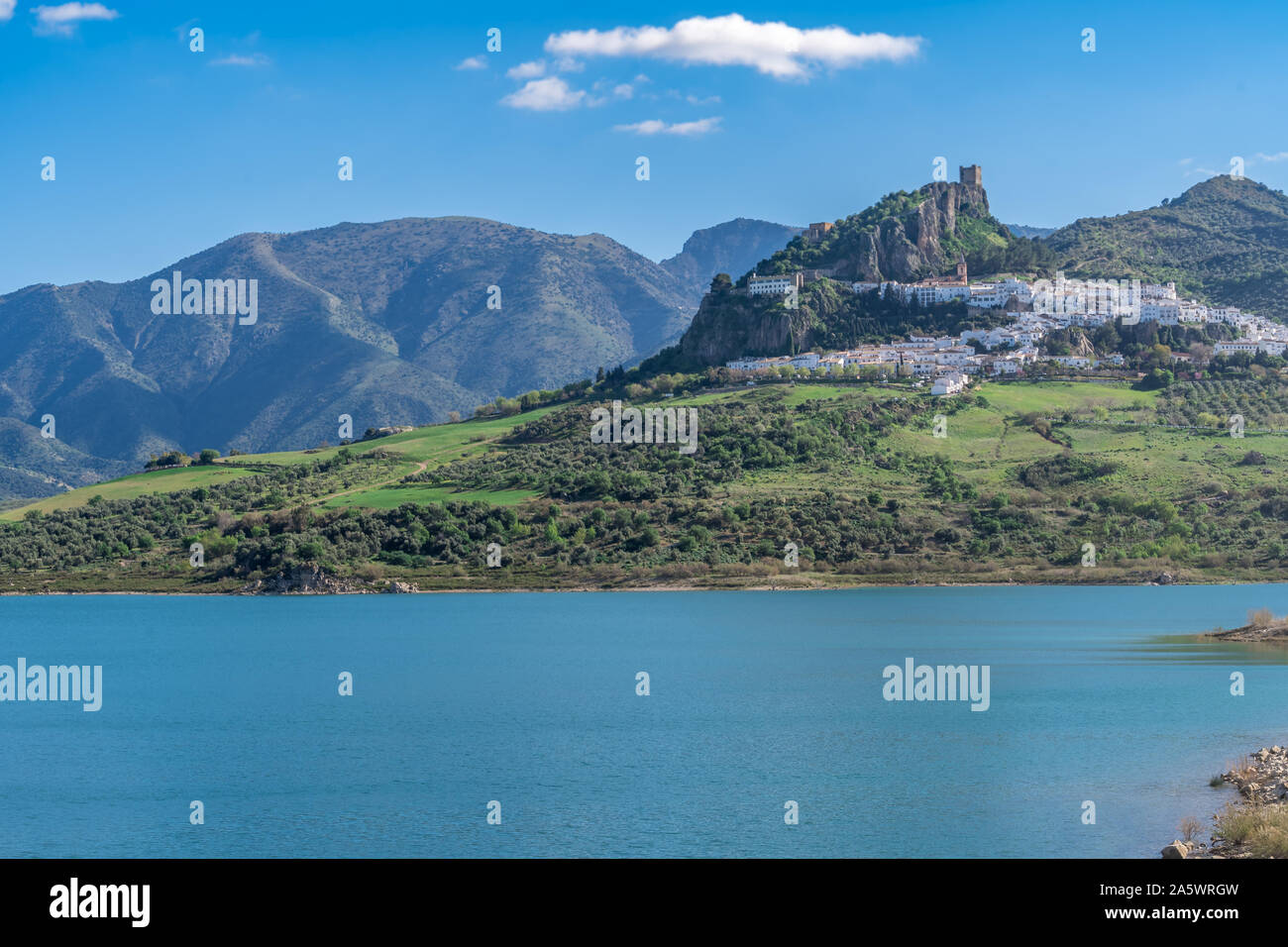
45 min drive
Situated atop a hill overlooking a turquoise reservoir, this village provides panoramic views and historic Moorish fortifications that pair well with a day trip.
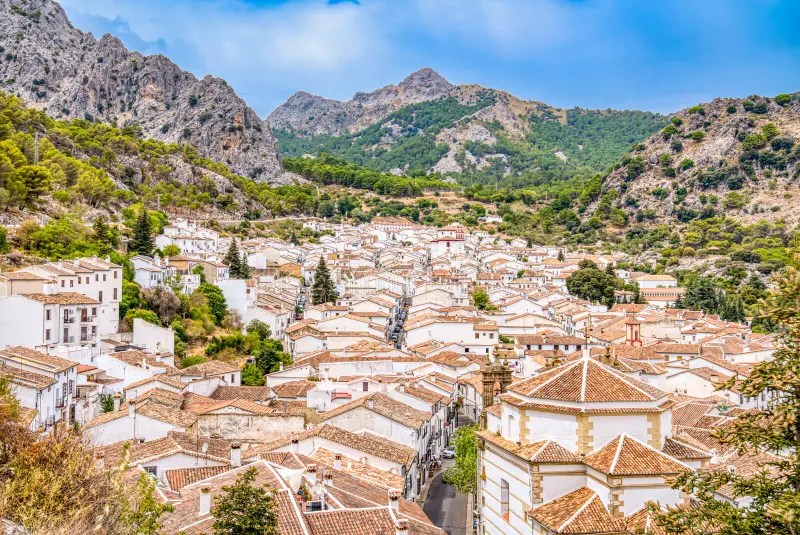
40 min drive
Located within a protected natural park, this village is renowned for its traditional mountain architecture and serves as a quiet transition point for travelers moving through the sierra.
Everything you need to know about how to get to ronda from seville
You can travel by bus or train, both offering reliable connections between the two cities. The bus journey is typically the most direct public transport method available for this route.
Driving allows for flexibility, particularly if you wish to explore other hilltop villages in the region at your own pace. Be mindful that parking in the historic center can be limited during peak summer months.
For the best experience, plan your arrival between 10:00 and 12:00. This window helps you avoid mid-day crowds and ensures you have sufficient time to visit the major landmarks before afternoon closures.
Organized tours provide a convenient way to visit the region, often including stops at scenic locations along the route. These services manage the logistics of transport, allowing you to focus on the sights.
The municipal tourist ticket for the main monuments is 12 EUR. Note that prices for individual sites may vary if you choose not to purchase the comprehensive pass.
While not strictly mandatory, booking your bus or train tickets in advance is advisable during the busy summer season to guarantee your seat. Checking schedules early helps you plan your day effectively to coincide with the monument opening hours.